Follow Me On Social Media!


Miso Soup Made Easy: Comforting Flavor in Every Bowl

Introduction to Miso Soup
There’s something truly special about miso soup, a warm, comforting bowl that has a way of wrapping you in a tender embrace on a chilly day. Originating in Japan, this traditional dish is more than just food; it’s a ritual that brings families together and fosters a sense of belonging, even if you’re enjoying it alone on a quiet evening. Picture yourself savoring the umami-rich broth, each sip evoking memories of home-cooked meals or memorable dining experiences—it’s these moments that elevate miso soup from mere sustenance to a heartfelt experience.
What makes miso soup so comforting and wholesome?
The beauty of miso soup lies in its simplicity and the depth of flavor it offers despite a short list of ingredients. The soul of this dish is miso paste, a fermented soybean product that provides natural probiotics for gut health while gifting that signature savory taste that warms your palate. When you combine it with fresh ingredients and a bit of creativity, you find a balance that is not only nourishing but deeply satisfying.
Here’s a closer look at what makes miso soup a staple in many households:
-
Miso Paste: The foundation of our soup, miso is rich in umami flavors and boasts numerous health benefits, including valuable nutrients and digestive support.
-
Dashi Broth: This traditional Japanese stock enhances the soup’s flavor profile, drawing out the essence of the ingredients while keeping the base light and refreshing.
-
Tofu and Vegetables: Soft tofu adds protein and a creamy texture, while fresh vegetables provide vitamins and minerals, rounding out the nutritional value. Common choices include green onions, seaweed, or mushrooms.
-
Versatility: What’s more comforting than knowing you can customize miso soup to your taste? Whether you prefer it extra hearty with noodles or light with just a sprinkle of green onions, the possibilities are endless.
The magic of miso soup consistently brings warmth and nourishment to the table, making it an ideal dish for any occasion, whether you’re eager for comfort or seeking a healthful boost.
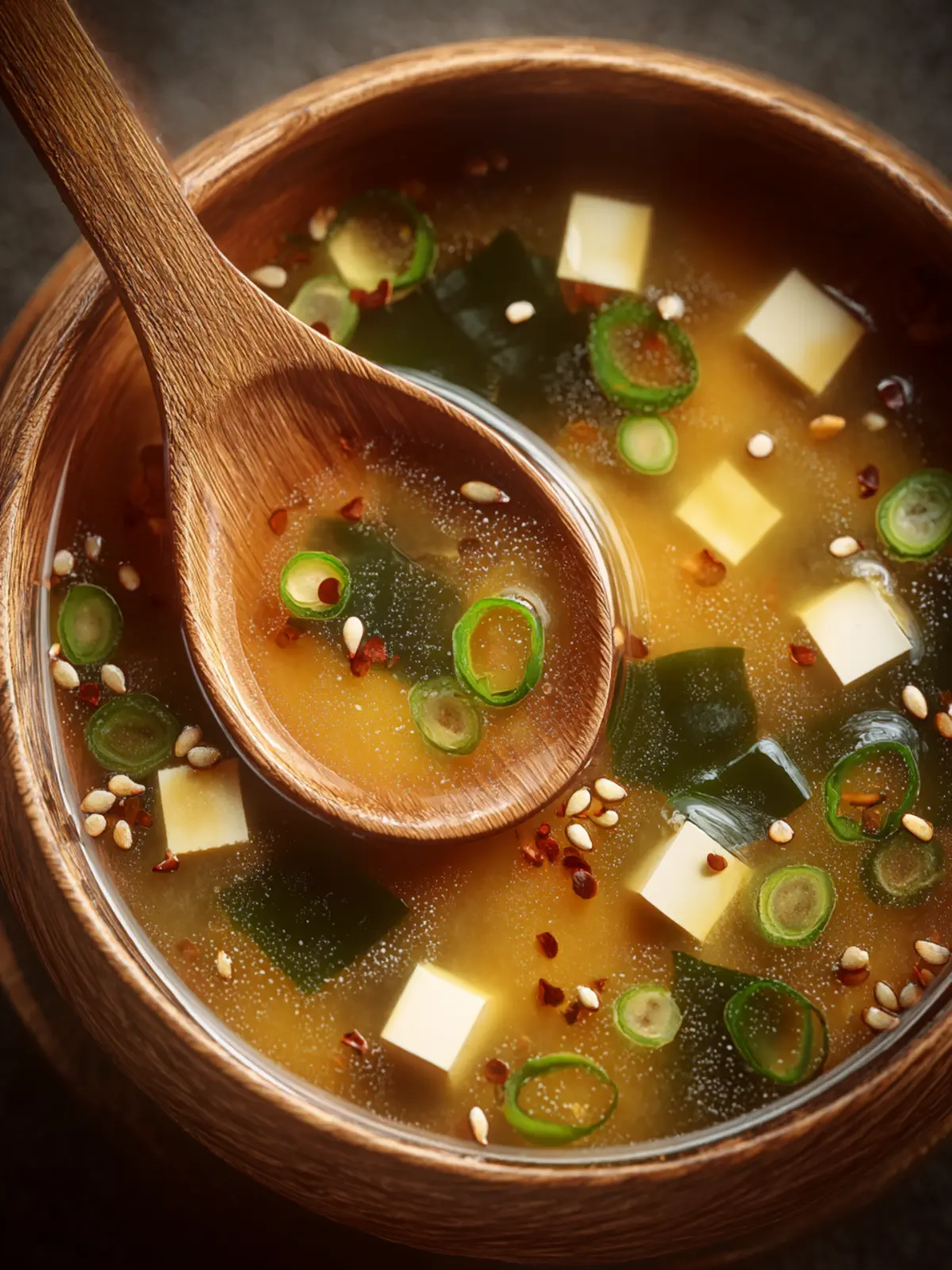
Key Ingredients for Miso Soup
Miso soup offers a delightful embrace of flavors, intertwining simplicity and profound umami that warms the soul. Just like a hug from a good friend, this dish combines essential ingredients to create a comforting experience. Let’s explore the key components to make the perfect miso soup.
-
Miso Paste: The star of the show! Using fresh or high-quality miso paste is crucial for a rich flavor. Opt for white miso for a milder taste, or red miso for a bolder flavor. Remember, the type of miso can significantly influence the final dish.
-
Dashi Stock: This traditional Japanese stock is the backbone of miso soup. You can use instant dashi powder for convenience, or make your own with kombu (dried kelp) and bonito flakes for a more authentic taste.
-
Tofu: Silken or firm tofu adds protein and a creamy texture. Be sure to cut it into bite-sized cubes to enhance its presence in the soup.
-
Seaweed: Wakame seaweed, rehydrated and chopped, provides a lovely briny flavor that complements the miso and dashi beautifully.
-
Green Onions: Freshly sliced green onions add a crisp, refreshing crunch and a pop of color to your miso soup. They also tie together the flavors with their mild oniony taste.
By ensuring you have these key ingredients, you’ll create a heartwarming bowl of miso soup that nourishes both body and spirit.
Why You’ll Love This Recipe
There’s something inherently soothing about a steaming bowl of miso soup. This beloved Japanese dish isn’t just a comforting addition to any meal; it’s a warm hug in a bowl. The magic starts with the broth, which beautifully balances umami flavors, creating a depth that’s incredibly satisfying. Think of it as your go-to for chilly evenings, or a delightful way to kick off a special dinner—it’s versatile and utterly remarkable.
Simple and Nourishing
What makes this miso soup truly special is its simplicity. With just a handful of ingredients, you can whip up something both nourishing and delicious. It invites a personal touch—whether it’s adding fresh vegetables or tofu—allowing you to customize it to your taste.
Health Benefits Galore
Beyond its delightful flavor, miso soup is packed with health benefits. Miso is a fermented food, supporting gut health and boosting immunity. The broth is light yet filling, making it an ideal option for those seeking a nutritious meal that doesn’t weigh you down.
Perfectly Versatile
Serve it as a starter or enjoy it as a meal on its own. The beauty lies in its versatility: perfect for those busy weeknights or a cozy weekend brunch. Even better, it comes together in under 30 minutes! So, grab your ingredients and dive into a bowl of this comforting soup—you won’t regret it!
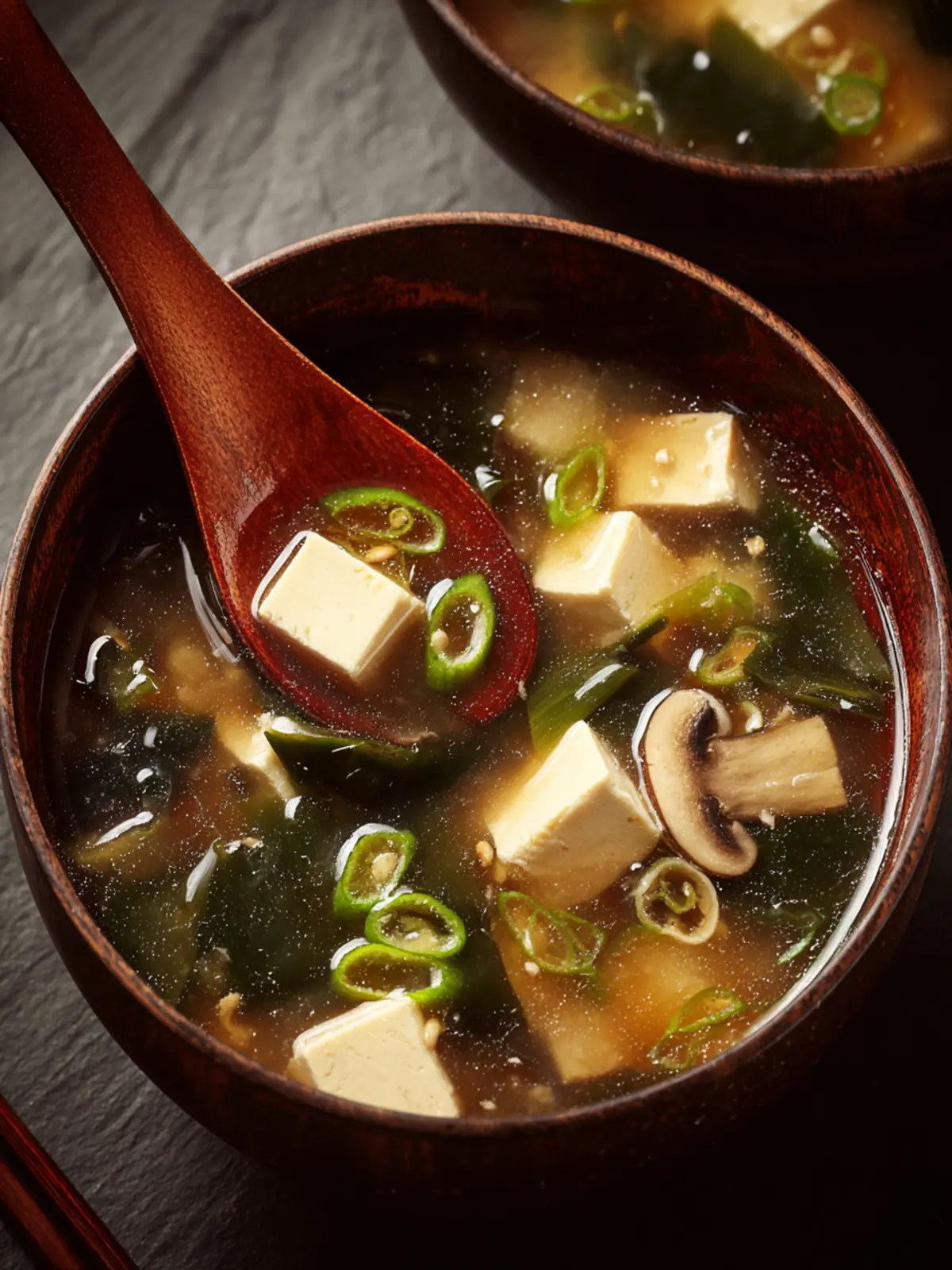
Variations on Miso Soup
Exploring the world of miso soup is like embarking on a culinary adventure; each variation invites new flavors and textures to the table. Here are some delightful variations to keep your taste buds excited:
Tofu and Seaweed Miso Soup
This classic combination enhances the umami flavor of the miso soup. Silken tofu adds creaminess, while nori or wakame seaweed infuses a marine depth. Not only are these options delicious, but they’re also packed with protein and nutrients!
Mushroom and Spinach Surprise
For a heartier version, try adding earthy mushrooms such as shiitake or enoki, paired with fresh spinach. The mushrooms provide an umami boost, while the spinach adds a vibrant touch of green, making your miso soup a feast for the eyes and the palate.
Citrus Miso Twist
If you’re in the mood for something zesty, a splash of yuzu or lemon juice can brighten up your miso soup. A hint of citrus will elevate the flavors, creating a refreshing bowl perfect for any season.
Seasonal Vegetables
Don’t hesitate to incorporate whatever vegetables are in season! Carrots, daikon, or zucchini can bring color and crunch to your bowl, right alongside that savory miso. Each bite becomes a celebration of nature’s bounty.
With these variations, your miso soup experience can go beyond traditional boundaries, making every bowl a unique story waiting to be tasted.
Cooking Tips and Notes for Miso Soup
Making miso soup can be a delightful journey, blending flavors that bring comfort and nourishment. To help you create the best bowl possible, here are some tips and insights.
Selecting the Right Miso
Choosing miso is crucial to achieving depth in your miso soup. White miso offers a milder and sweeter flavor, while red miso provides a stronger, saltier taste. For a balanced soup, consider mixing the two!
Preparing Ingredients
When it comes to the base, dashi is traditionally used for miso soup. You can easily make dashi with kombu (dried kelp) and bonito flakes, or opt for instant dashi powder for convenience. Fresh ingredients like scallions, tofu, and seaweed can elevate your soup’s texture and flavor. Make sure to cut veggies uniformly for even cooking!
Mixing Miso
Add miso paste at the end of cooking to preserve its probiotic benefits. Avoid boiling the soup once you stir in the miso; instead, gently heat it to allow the flavors to meld without losing its beneficial properties.
Experimenting with Additions
Feel free to customize your miso soup with seasonal vegetables, mushrooms, or even a hint of ginger for extra warmth. Remember to taste as you go, adjusting the saltiness according to your preference.
Following these tips will ensure that each bowl of miso soup you create is not only enjoyable but a warm embrace in a cup. Happy cooking!
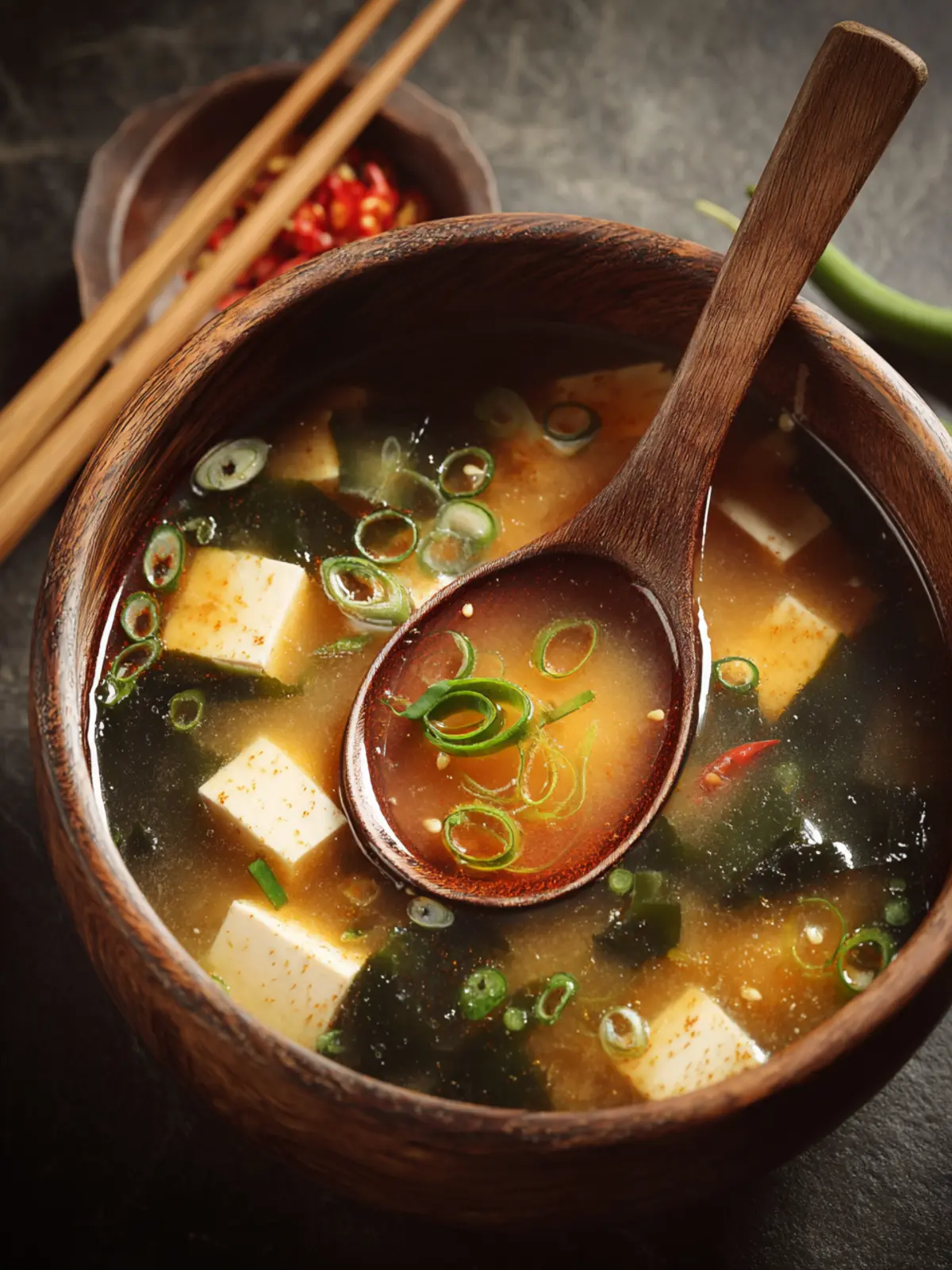
Serving Suggestions for Miso Soup
Miso soup, a warm and inviting Japanese classic, can be the star of your meal with just a few tweaks. Imagine gathering around the table with friends, each bowl steaming, as you enjoy a rich, umami flavor that sparks delightful conversations.
Pairing with Fresh Ingredients
- Vegetables: Enhance your miso soup with seasonal veggies like bok choy, spinach, or sliced mushrooms. Their textures and nutrients will add vibrancy to each spoonful, bringing life to your dish.
- Proteins: Incorporating tofu or scallops can elevate the protein level and make your meal more satisfying. Silken tofu is my favorite for its creamy texture, while grilled shrimp can add a touch of luxury.
Accompaniments for a Complete Meal
- Rice: A side of steamed rice serves as the perfect companion. The fluffy rice absorbs the broth, making every mouthful a comforting experience.
- Side Dishes: Light salads or pickled vegetables complement the soup beautifully, balancing the flavors and textures.
Whether it’s a cozy dinner or a casual gathering, these miso soup serving suggestions will make your meal memorable and delightful!
Time Breakdown for Miso Soup
Preparation Time
Making a delicious miso soup doesn’t take long at all! You’ll spend about 10 minutes gathering your ingredients and prepping the vegetables. This quick prep time means that a warm, comforting bowl of soup is always within reach.
Cooking Time
Once everything is prepped, the cooking time is approximately 15 minutes. During this time, you’ll simmer your broth and allow the flavors to meld magnificently. It’s the perfect amount of time to unwind after a long day!
Total Time
In just 25 minutes, you can enjoy a homemade bowl of miso soup. This makes it an ideal meal for busy weeknights or when you simply need a cozy dish without spending hours in the kitchen. Fast and nutritious—what could be better?
Nutritional Facts for Miso Soup
Exploring the delightful world of miso soup not only tantalizes your taste buds but also offers some great nutritional benefits. Here’s a glance at what you can expect in a typical serving of this comforting dish:
Calories
A standard bowl of miso soup clocks in at roughly 40-60 calories. This makes it an excellent starter or light meal option, especially if you’re mindful of your caloric intake.
Protein
Each serving contains approximately 2-3 grams of protein, primarily from the miso paste and tofu. While this may seem modest, it’s a great plant-based protein source, ideal for vegetarian or vegan diets.
Sodium
One area to watch in miso soup is sodium content, as it can range from 400 to 800 mg per serving depending on how much miso paste is used. If sodium is a concern, consider using a low-sodium miso variety or adjusting the amount according to your preference.
FAQs about Miso Soup
Miso soup has a warm, comforting presence, often enjoyed as part of a balanced meal or on its own. As you dive into your miso soup adventure, you may have some burning questions. Here are answers to common inquiries that can enhance your experience and enjoyment of this delightful dish.
Can I make miso soup in advance?
Absolutely! One of the wonderful features of miso soup is its flexibility. You can prepare the broth and add your chosen vegetables in advance. Just remember to add the miso paste last, right before serving. Doing so preserves the delicate flavors and beneficial probiotics found in miso. Keep in mind that ingredients like tofu or leafy greens should be added closer to the time you plan to eat, as they can become mushy over time.
What can I add for extra protein or vegetables?
If you want to elevate your miso soup with additional protein or a variety of vegetables, consider these options:
- Tofu: Silken or firm, both work wonderfully.
- Seaweed: Wakame is traditional, adding a delightful ocean flavor.
- Mushrooms: Shiitake or enoki mushrooms offer a rich umami taste.
- Other Veggies: Feel free to add bok choy, carrots, or even a handful of spinach for a nutrition boost!
How do I store leftover miso soup?
Leftover miso soup can be a great lunch option for the next day. To store, let it cool completely before transferring it to an airtight container. It can be kept in the refrigerator for about 2 to 3 days. If you need to reheat it, do so gently, ideally on the stovetop, while avoiding high heat to preserve the integrity of the miso. Enjoy every comforting sip!
Conclusion on Miso Soup
In wrapping up our exploration of miso soup, it’s clear that this comforting dish is much more than just a warm bowl of broth. It embodies the essence of Japanese culinary tradition, marrying umami-rich flavors with nourishing ingredients. Whether you prepare it for a quick weeknight dinner or serve it as a starter for a gathering, miso soup promotes wellness and connection. Embracing its versatility, you can easily adapt the recipe to include your favorite vegetables or protein sources. As you savor each spoonful, remember that with every bowl, you’re not just feeding your body; you’re also indulging in a timeless cultural experience.
Print
Umami Dashi Soup
- Total Time: 25 minutes
- Yield: 4 servings 1x
Description
A nourishing soup with umami-rich dashi broth, silken tofu, and wakame seaweed.
Ingredients
Scale
- 4 cups water
- 1 piece kombu seaweed (about 4 inches)
- 1/2 cup bonito flakes
- 3 tablespoons miso paste (white, yellow, or red, to taste)
- 1/2 cup silken tofu, cubed
- 2 tablespoons dried wakame seaweed (rehydrated)
- 2 green onions, finely chopped
Instructions
- Start by gently heating 4 cups of water with a piece of kombu seaweed. Remove the kombu just before the water reaches a boil, then add 1/2 cup bonito flakes and steep off heat for several minutes. Strain the liquid to create a clear, umami-rich dashi broth.
- Rehydrate 2 tablespoons dried wakame seaweed in water until tender. Add the cubed 1/2 cup silken tofu and soaked wakame to the dashi broth. Simmer gently over low heat, avoiding boiling to preserve delicate flavors.
- In a small bowl, dissolve 3 tablespoons of miso paste with a ladle of hot broth until smooth. Stir this mixture back into the pot, making sure the soup does not boil after adding miso to maintain probiotic benefits.
- Sprinkle finely chopped green onions over the soup and serve immediately to enjoy its nourishing warmth and complex taste.
Notes
- This soup is best served warm and can be enjoyed as a light meal or appetizer.
- Adjust the amount of miso paste based on desired flavor intensity.
- Prep Time: 10 minutes
- Cook Time: 15 minutes
- Category: Soup
- Method: Stovetop
- Cuisine: Japanese
Nutrition
- Serving Size: 1 cup
- Calories: 150
- Sugar: 1g
- Sodium: 600mg
- Fat: 8g
- Saturated Fat: 1g
- Unsaturated Fat: 5g
- Trans Fat: 0g
- Carbohydrates: 15g
- Fiber: 1g
- Protein: 10g
- Cholesterol: 0mg