Follow Me On Social Media!


Poached Eggs Made Perfect: Your Best Breakfast Fix!

Introduction to Poached Eggs
Imagine waking up to a perfect plate of poached eggs glistening softly under the morning sun. These delightful eggs are not just a breakfast staple; they have the remarkable ability to elevate any dish, transforming a simple meal into a gourmet experience. Crafted with precision, poached eggs boast a rich, velvety yolk that flows beautifully, enriching toast, salads, and pasta alike. It’s almost as if the moment you add a poached egg, you’re stepping into a culinary adventure.
But why are poached eggs so special? The answer lies in their technique. Unlike fried or scrambled eggs, poaching involves cooking eggs gently in simmering water, allowing the whites to wrap around the yolk without any greasy surfaces or hard textures. The result? A tender, delicate sphere of flavor that can complement meals ranging from a classic Eggs Benedict to a vibrant grain bowl.
Why Poached Eggs Make Every Meal Special
Every time I prepare poached eggs, I recall a cherished brunch with friends, where the shared laughter was as rich as the perfectly runny yolks on our plates. This experience highlights how poached eggs can add not just nourishment, but joy, to any dining occasion. Whether you’re whipping up a quick breakfast or impressing guests at a weekend gathering, serving poached eggs can create a lasting impression.
-
Versatility: Poached eggs pair beautifully with a wide array of ingredients. Think avocado toast, sautéed greens, or creamy pasta. Their mild flavor allows them to fit seamlessly into almost any recipe, making them an instant crowd-pleaser.
-
Health Benefits: Rich in protein and low in calories, poached eggs offer a healthy addition to any diet. They are an excellent source of vitamins and minerals that can keep you feeling satisfied and energized throughout the day.
-
Visual Appeal: Let’s face it—there’s something undeniably beautiful about a perfectly poached egg. The way the yolk spills out when you take your first bite creates an enticing visual that can elevate any meal.
By the end of this article, you’ll not only learn how to master the art of poaching eggs but also discover how to incorporate them into your meals, making every occasion just a bit more extraordinary.
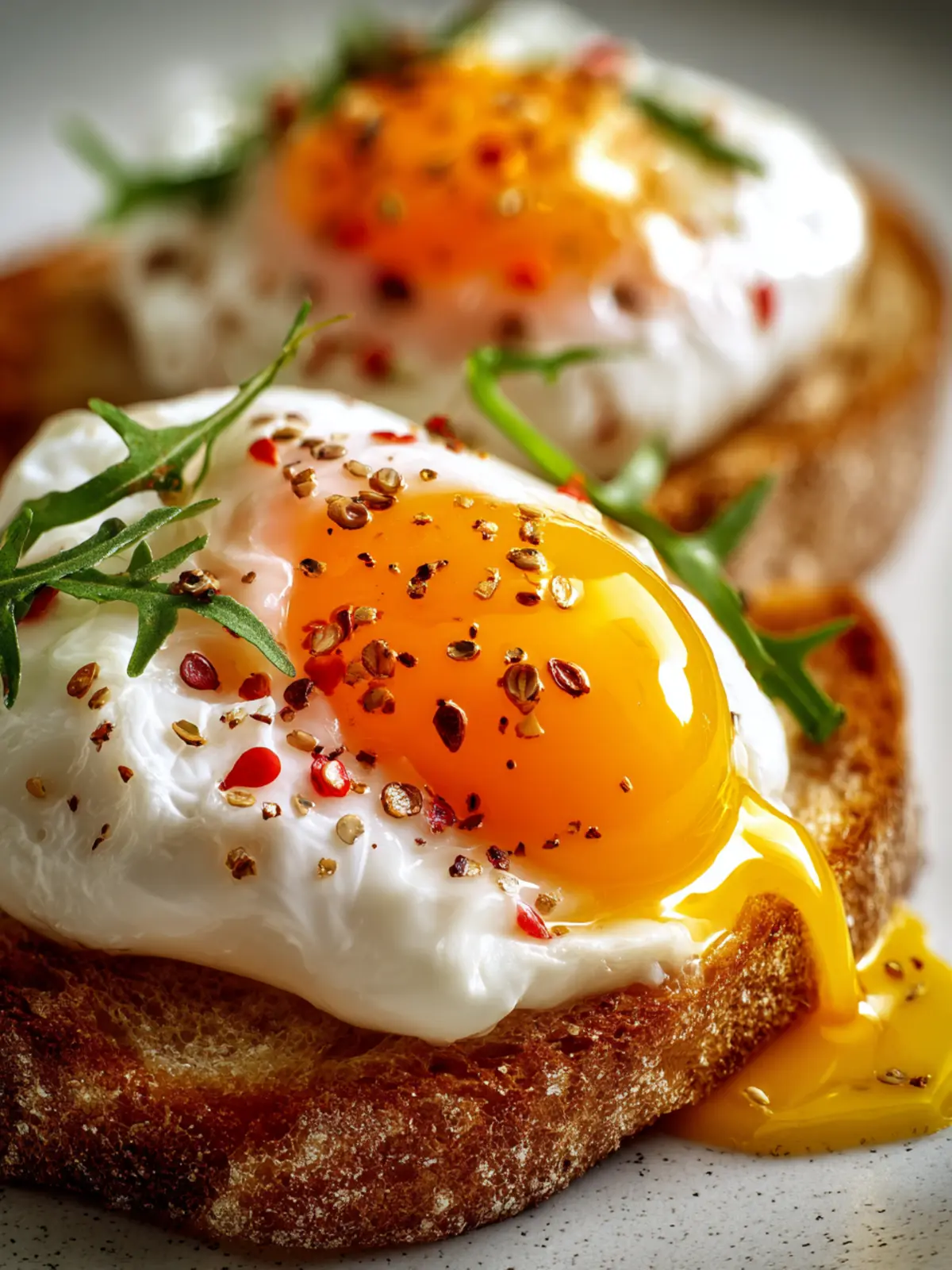
Key Ingredients for Poached Eggs
Poached eggs are a breakfast favorite that can transform your morning routine into a gourmet experience. To achieve perfectly poached eggs, the quality of your ingredients truly matters. Here’s what you’ll need:
Fresh Eggs: The foundation of any great poached egg lies in using the freshest eggs possible. Freshness is crucial, as it helps the egg whites hold their shape better in the water, while also enhancing the overall flavor. Look for eggs with a recent sell-by date for the best results.
Water: The right cooking environment is key. A gentle simmer is essential to ensure that your eggs cook evenly without becoming a turbulent mess. Fill a pot with enough water to submerge the eggs, but not too much that it overflows when they are added.
White Vinegar: Adding a splash of white vinegar to the water helps the egg whites coagulate quickly. This results in a neater poached egg, preventing the whites from dispersing in the pot.
Pinch of Salt: While adding salt is optional, it can amplify the flavor of your poached egg. A small pinch goes a long way in elevating the taste of this simple dish.
Butter or Oil: For a finishing touch that brings richness to your poached eggs, a bit of melted butter or a drizzle of oil can be the perfect enhancement, making every bite indulgently delicious.
With these key ingredients, you’re all set to create poached eggs that might just become your new favorite breakfast!
Why You’ll Love This Poached Eggs Recipe
Poached eggs have a special way of turning an ordinary breakfast into something extraordinary. Imagine brunch where every bite of those perfectly runny yolks creates a flavor explosion, drenching your toast and awakening your senses. This poached eggs recipe is not just a meal; it’s an experience to savor.
The beauty of poached eggs lies in their simplicity. With just a few ingredients and straightforward techniques, you can achieve a dish that feels gourmet. They are incredibly versatile—perfect for pairing with avocado toast, a vibrant salad, or even a rich, creamy pasta.
Easy to Master
You don’t need to be a culinary expert to impress your friends or family with this recipe. The process is easy to follow, making it ideal for anyone from busy professionals to home cooks eager to elevate their breakfast game.
Nutritious and Delicious
Packed with protein, vitamins, and healthy fats, poached eggs offer a wholesome start to your day. A single serving of poached eggs can keep you energized and satisfied, making it a smart choice for anyone looking to maintain an active lifestyle.
Once you’ve tasted these poached eggs, you’ll wonder how you ever settled for anything less. It’s time to bring a little luxury to your breakfast table!
Tips for Making Perfect Poached Eggs
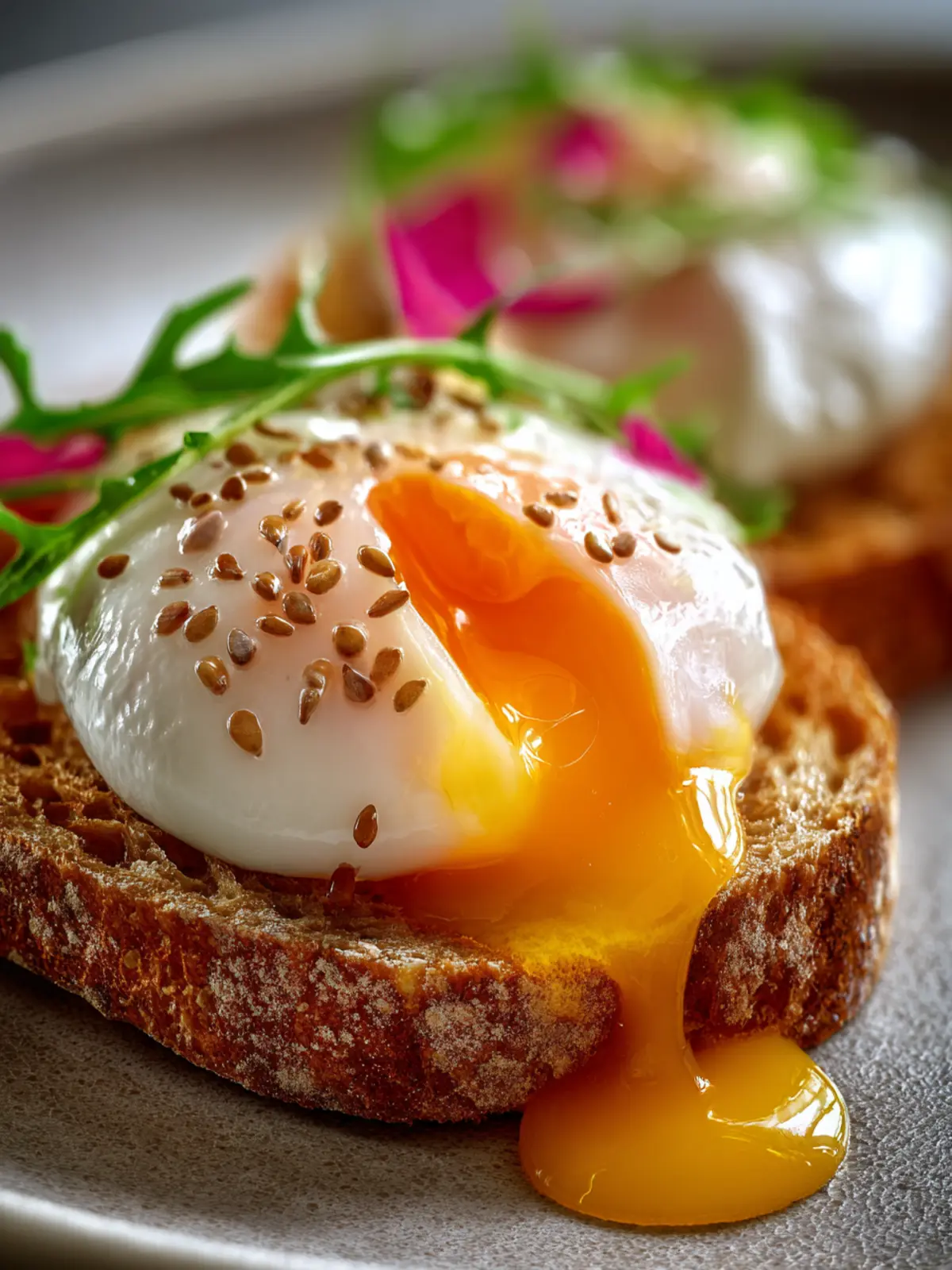
Achieving poached eggs that are perfectly runny yet firm on the outside can transform your breakfast into a delightful experience. Pouring your daily coffee while savoring a perfectly poached egg on toast can create a morning ritual that you look forward to. To help you become a poached egg pro, consider these friendly tips.
Use Fresh Eggs
Freshness matters! The fresher your eggs, the better the poach. Fresh eggs have firmer whites that will hold their shape better in the water.
Vinegar Magic
Adding a splash of vinegar to the simmering water helps the egg whites coagulate more quickly. Opt for white or apple cider vinegar, which won’t change the flavor significantly.
The Water Temperature
Keep the water at a gentle simmer, not a rolling boil. A rolling boil can lead to frayed edges and uneven shapes.
Whirlpool Technique
Before adding your egg, create a gentle whirlpool in the water by stirring with a spoon. This movement helps the egg white wrap around the yolk, resulting in a beautifully shaped poached egg.
Timing is Key
For runny yolks, aim for about 4–5 minutes. Adjust your timing based on how soft or set you prefer your yolks. Use a slotted spoon to remove the egg and let it drain on a paper towel.
With these tips, you’re well on your way to mastering poached eggs! Enjoy the process, and don’t forget to taste as you perfect your technique.
Variations You Can Try with Poached Eggs
Exploring variations of poached eggs can transform your breakfast routine into an exciting culinary adventure. Whether you’re in the mood for something savory or sweet, these variations are sure to please your taste buds.
Poached Eggs Over Avocado Toast
One of the most popular ways to enjoy poached eggs is over creamy avocado toast. Spread ripe avocado on toasted bread, sprinkle with salt and pepper, and top it off with your perfectly poached egg. The runny yolk seeps into the avocado, creating a delightful mix of flavors.
Poached Eggs with Hollandaise Sauce
Elevate your poached eggs to a classic brunch dish by making Eggs Benedict. Toast English muffins, layer with Canadian bacon, and drizzle with rich hollandaise sauce. This luxurious combination adds a touch of elegance to any breakfast table.
Spiced Poached Eggs
For a global twist, try poaching eggs in spiced tomato sauce. This simple yet flavorful dish, often called Shakshuka, combines the comforting warmth of spices like cumin and paprika with the freshness of tomatoes, making for a hearty meal.
Poached Eggs in Soup
Another delightful variation is adding poached eggs to a bowl of steaming broth, like ramen or a hearty vegetable soup. The egg adds richness and depth, turning a simple bowl into a comforting and satisfying dish.
Each of these variations opens the door to new flavors and experiences with poached eggs, allowing you to keep your breakfast routine exciting and enjoyable.

Time Breakdown for Poaching Eggs
Preparation Time
Getting ready to make poached eggs is all about having everything in place. You’ll need about 5 minutes to gather your ingredients (fresh eggs, vinegar, and water) and set up your cooking station. It’s a quick process, but being organized will ensure a smooth cooking experience.
Cooking Time
The actual cooking of your poached eggs usually takes around 4 to 6 minutes, depending on how runny or firm you prefer your yolks. It’s truly fascinating how a few minutes can transform an egg into something so delicious!
Total Time
In total, you’re looking at about 10 to 12 minutes from start to finish. This gives you enough time to produce perfectly tender poached eggs that can elevate any meal—whether it’s breakfast, brunch, or dinner!
Nutritional Facts for Poached Eggs
Poached eggs are not only a delightful breakfast choice but also a powerhouse of nutrition. When you crack open those delicate whites and vibrant yolks, you’re unlocking a miniature treasure trove of health benefits.
Calories
One large poached egg contains approximately 72 calories. This makes it a great option for a low-calorie meal without skimping on essential nutrients.
Protein
Protein is vital for muscle repair and growth, and poached eggs deliver a fantastic punch with about 6 grams of high-quality protein per egg. This is especially beneficial if you’re balancing a busy lifestyle with fitness goals.
Fat
A large poached egg has about 5 grams of fat, primarily healthy unsaturated fats. Since they’re cooked without added oils, poached eggs keep your fat intake in check while still providing satiety.
Incorporating poached eggs into your meals can complement your nutrition, especially if paired with whole-grain toast or fresh vegetables, making for a balanced start to your day!
FAQs about Poached Eggs
Making the perfect poached eggs can feel a bit daunting, but with a few handy tips, you’ll be ready to whip them up with confidence. Here’s a collection of frequently asked questions that might clear up any lingering doubts.
How do I achieve runny yolks?
For deliciously runny yolks, timing is critical. A classic poached egg should spend about 4 to 5 minutes in gently simmering water. To improve your chances of success, ensure your water is just below boiling (you’ll want small bubbles forming at the bottom). You might also try adding a splash of vinegar to the water; this helps the egg whites to set faster without scrambles, giving you a beautifully silky finish.
Can I poach more than two eggs at once?
Absolutely! You can poach multiple eggs simultaneously, but it’s essential to ensure your pot is large enough to accommodate them without crowding. If you’re feeling adventurous, create a whirlpool in the water by stirring before adding the eggs one at a time. This technique helps them stay together and prevents the whites from spreading out too much.
What’s the best way to store leftover poached eggs?
If you’re lucky enough to have leftovers, you can store your poached eggs in the fridge for up to 2 days. Simply submerge them in water in an airtight container. When you’re ready to enjoy them again, gently reheat them in hot water for about 1-2 minutes until warmed through. This way, you can savor that delightful runny yolk all over again!
Conclusion on Poached Eggs
Cooking poached eggs can feel intimidating, but the joy they bring to your breakfast or brunch makes the effort worthwhile. Whether you enjoy them on avocado toast or paired with a simple salad, these eggs transform everyday meals into something special. Remember, the key to perfect poached eggs lies in fresh ingredients and a bit of practice. Don’t hesitate to experiment with cooking times to find your preferred doneness. With these tips in mind, you are equipped to elevate your culinary skills. Enjoy delightful, runny yolks and a burst of flavor in every bite. Happy cooking!
Print
Poached Eggs
- Total Time: 15 minutes
- Yield: 2 servings 1x
- Diet: Gluten-Free
Description
Learn how to perfectly poach fresh eggs with this simple method, ensuring delicious results every time.
Ingredients
Scale
- Fresh Eggs (as many as desired, use the freshest possible)
- 3–4 inches Water (enough to fill a wide pot or deep skillet)
- 1–2 tablespoons White Vinegar
- Pinch of Salt (optional, for seasoning after cooking)
- Butter or Oil (optional, for finishing/gloss)
Instructions
- Start with room temperature fresh eggs.
- Fill a wide pot or deep skillet with about 3-4 inches of water.
- Add 1-2 tablespoons of white vinegar.
- Heat the water until it reaches a gentle simmer, with small bubbles forming on the bottom but no rolling boil.
- Stir the water in one direction using a spoon or whisk to create a gentle whirlpool.
- Crack the egg into a small cup or ramekin and carefully slide it into the center of the whirlpool, allowing it to form a neat poached shape.
- Let the egg cook undisturbed for about 3-4 minutes for runny yolks, or an extra minute for firmer yolks.
- Avoid overcrowding by cooking one or two eggs at a time.
- Use a slotted spoon to gently lift the poached egg from the water. Let excess water drip off and place the egg on a paper towel to absorb moisture and prevent sogginess.
- Sprinkle with a pinch of salt and freshly ground black pepper. Serve immediately or add to your favorite dishes.
Notes
- Using the freshest eggs helps achieve better poaching results.
- Experiment with cooking times to find your preferred egg yolk consistency.
- Prep Time: 5 minutes
- Cook Time: 10 minutes
- Category: Breakfast
- Method: Poaching
- Cuisine: American
Nutrition
- Serving Size: 1 poached egg
- Calories: 70
- Sugar: 0g
- Sodium: 35mg
- Fat: 5g
- Saturated Fat: 1.5g
- Unsaturated Fat: 2.5g
- Trans Fat: 0g
- Carbohydrates: 1g
- Fiber: 0g
- Protein: 6g
- Cholesterol: 186mg